

 +38 044 502 20 11


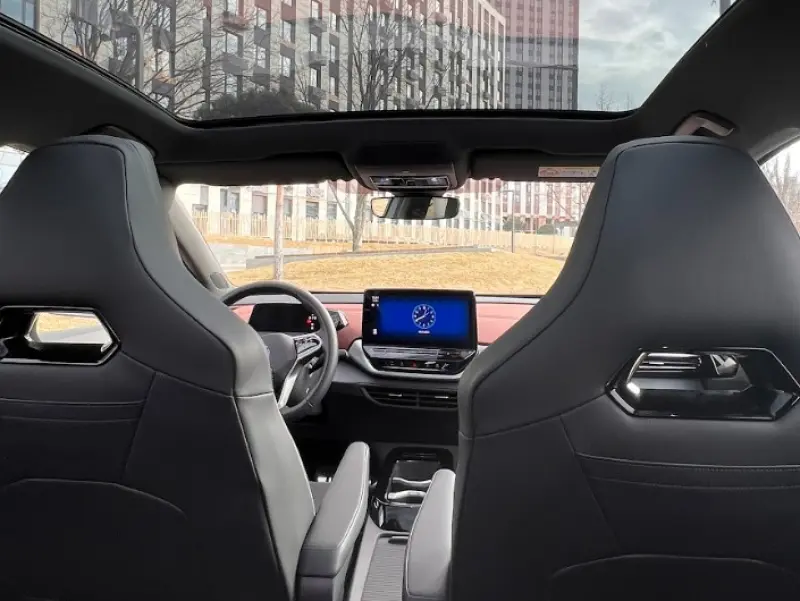
Many drivers have heard of this feature but don’t fully understand what cruise control is and when it is truly useful. In reality, it is a simple driver-assistance system that maintains a constant speed, reduces fatigue on long trips, and helps save fuel on highways. In this article, we explain how cruise control works, how the adaptive version differs, how to use it correctly, and what you should avoid.
Why a car needs cruise control
In short, cruise control is an electronic system that keeps the speed you set without having to press the gas pedal continuously. Essentially, it acts as a small “autopilot on the highway”: you set the speed, and the electronic unit maintains it by adjusting fuel supply.
In most vehicles, cruise control is operated via buttons on the steering wheel or a separate lever. The system makes long trips easier, reduces leg strain, and helps maintain speed limits — improving both safe driving and fuel efficiency.
Cruise control with manual and automatic transmissions
Many drivers don’t know whether cruise control is possible with a manual transmission. Yes, some cars with a manual gearbox do have this feature — it simply works with certain nuances:
- pressing the clutch pedal disables the system;
- abrupt gear changes can disrupt the set speed;
- It's important to monitor engine RPM to avoid overload.
With an automatic transmission, everything is simpler: electronics manage the RPM, and the car maintains speed smoothly. The key point is to remember that cruise control does not replace the driver. It is a driver-assistance system, not a full autopilot.
Step-by-step guide how to turn on cruise control
Button layouts differ from brand to brand, but the general principle is the same. To understand how to activate cruise control, follow this basic sequence:
- Accelerate to a comfortable speed (for example, 90 km/h on the highway).
- Press the system’s ON / CRUISE button.
- Set the speed using the SET button.
- The car maintains the pace on its own — you can release the gas pedal.
To better understand what cruise control is and how it adjusts speed, pay attention to the RES/+/– buttons:
- RES / + — slight speed increase;
- – — decrease in the set speed;
- CANCEL or pressing the brake — temporary deactivation.
How to use cruise control correctly
Proper use helps reduce speeding and improves fuel economy on highways since the car maintains a steady pace without sharp accelerations.
A few tips on how to use cruise control safely:
- activate it on flat road sections with predictable traffic;
- avoid using it during heavy rain, icy conditions, or in mountainous areas;
- keep an eye on road signs even if the system maintains speed;
- always keep your foot close to the brake pedal.
If you frequently travel on highways, learning how to use cruise control isn’t just about comfort — it’s also about reducing fatigue and achieving smoother, safer long-distance driving.
Cruise control and trips in a rental car
Even if your own vehicle doesn’t have this feature, you can easily try cruise control when renting a car. Most modern models offered by major rental companies include this option, especially mid-range and business-class vehicles.
If you plan to rent a car in Kyiv for a highway trip or are preparing for travel abroad in a rental car, check the vehicle specifications. Cruise control often makes long journeys significantly more comfortable. And by reviewing the available fleet of vehicles, you can choose a model equipped with the latest adaptive cruise-control system.
Frequently asked questions
What are the benefits of using cruise control on long trips?
Cruise control reduces driver fatigue, keeps a steady speed, and helps improve fuel efficiency by maintaining smooth, consistent driving.
Can you use cruise control in the city or on short distances?
You can, but cruise control in the city is not very effective due to traffic lights, congestion, and frequent stops, which cause the system to switch off often.
How does adaptive cruise control help avoid dangerous situations?
Adaptive cruise control automatically adjusts speed and maintains a safe distance from the vehicle ahead, reducing the risk of sudden braking or unexpected maneuvers.
Does cruise control affect fuel consumption?
Yes. By keeping the speed steady and minimizing rapid acceleration, cruise control typically reduces fuel consumption, especially on highways.
What should you do if cruise control suddenly turns off while driving?
Continue controlling the car manually and check the dashboard indicators. Cruise control often turns off after braking or when safety systems activate. If it keeps happening, the system needs diagnostics.