

 +38 044 502 20 11


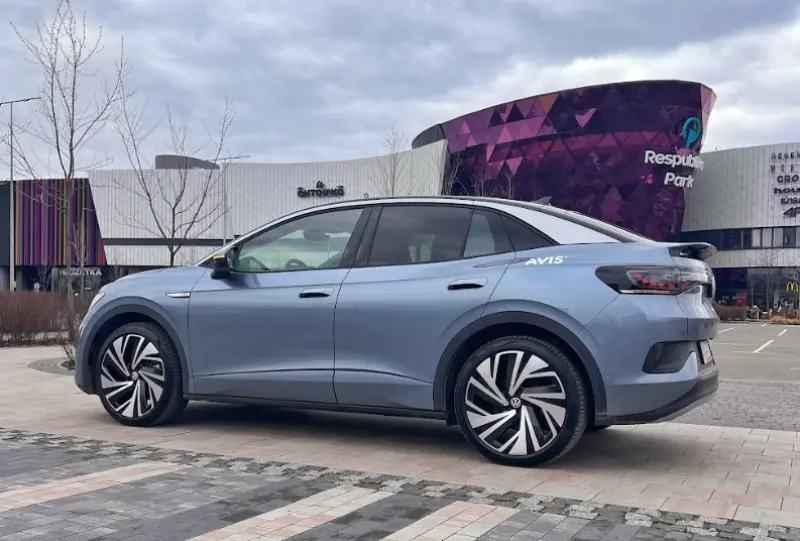
When the automatic parking system appeared in mass-market car models, it immediately became one of the most popular features among drivers. And it’s no surprise: cities have fewer and fewer free parking spots, manoeuvring takes time and nerves, and cars are getting larger. This material contains explanations, usage examples, tips and answers to the questions that arise most often.
What the automatic parking system is and how it helps the driver
Behind the term “automatic parking system” stands an electronic complex that takes over the execution of complex parking manoeuvres. The car analyses the surrounding space using parking sensors and cameras, evaluates its dimensions and determines whether there is enough space to enter.
For the driver, this means one thing: less stress in tight courtyards, near shopping centres and on streets with heavy traffic. Instead of manual manoeuvring, the electronics take control, and the driver simply oversees the process.
How automatic parking works
When the automatic parking mode is activated, the car begins scanning the space around it. The system uses:
- ultrasonic sensors that determine the distance to obstacles;
- rear-view cameras and sometimes surround-view cameras;
- algorithms that calculate the trajectory;
- a control module that regulates steering and movement speed.
The principle is simple: the system detects a suitable parking spot — and notifies the driver that it is ready to begin. After confirmation, the car independently chooses the direction, adjusts the steering angle and stops in the required position.
Effortless car parking
Modern parking technologies are designed not only for comfort. They significantly improve safety and help avoid small but costly damages.
Key advantages:
- precise automatic detection of a suitable parking spot without guessing;
- protection from hitting obstacles thanks to sensor performance;
- fewer scratches and bumper contacts with other cars;
- convenience in rain, darkness or heavy traffic;
- better concentration — the system takes over routine actions.
For travellers and those who use a rental car service in Kyiv, this is especially convenient. By reviewing the available fleet in a rental company, it is easy to find a car with the latest parking features.
When automatic parking may fail and how to avoid mistakes
Despite its high accuracy, the electronics are not all-powerful. There are several situations where the system may operate incorrectly:
- on slippery surfaces the driver must brake manually;
- limited camera visibility due to dirt or snow;
- spaces that are too narrow, where the algorithm cannot calculate a safe trajectory.
To avoid problems, it is worth:
- cleaning the sensors and cameras;
- controlling speed during the manoeuvre;
- monitoring obstacles carefully, even if the system “sees” everything itself.
In difficult conditions, it is sometimes better to take control manually. The electronics assist, but do not fully replace the driver — this is an electronic driver-assistance system, not an independent mechanism.
How to use the automatic parking system effectively
To get maximum benefit, it is important to understand not only the theoretical capabilities but also the practical nuances.
Recommendations:
- activate automatic parking only at low speeds;
- before the manoeuvre, make sure there is enough space for reverse or parallel entry;
- do not touch the steering wheel while the system is working — it may interrupt the process;
- switch to manual mode in complex situations.
For those who rent cars for travel, such tips are especially useful. If you plan to travel abroad in a rental car, the convenience of automatic parking will become noticeable within the first minutes in the centre of an unfamiliar city.
Frequently asked questions
Can you trust the automatic parking system in narrow spaces?
In most cases, yes, but the driver must monitor the environment and intervene when necessary.
How does the system identify a free parking spot?
Using ultrasonic sensors and cameras that measure distance to obstacles and analyse the car’s dimensions.
Is automatic parking suitable for large vehicles?
Yes, but the trajectory depends on the dimensions: sometimes the system finds it harder to detect an optimal spot.
Can the automatic parking system be disabled at any moment?
Yes, pressing the brake or switching to manual mode is enough.
What should you do if the system fails to detect an obstacle while parking?
Immediately take control and finish the manoeuvre manually, checking whether the sensors are clean.