

 +38 044 502 20 11



Understanding how to avoid stress behind the wheel is a critically important skill for everyone who strives to make their trips safe and pleasant. If you feel that the technical condition of your own car adds unnecessary reasons for worry, a rational solution would be car rental in Kyiv. At Payless, we offer a modern fleet, where every model undergoes strict technical control, allowing the driver to focus on the road.
What is stress behind the wheel and why does it occur?
Stress behind the wheel is a physiological and emotional reaction to external stimuli, such as aggressive driving by other motorists or sudden obstacles. Causes of stress behind the wheel often lie in the desire to control everything and the impossibility of doing so in a large city.
Driving psychology identifies several factors that increase tension:
- Violation of personal space;
- Unpredictability of pedestrian actions;
- Poor visibility or difficult weather conditions.
When a driver's emotions get out of control, concentration behind the wheel decreases, which automatically increases the risk of an accident.
How to avoid stress behind the wheel: practical tips for drivers
The key to peace begins even before the moment the key is turned in the ignition. The first and most important tip is to allocate 15-20 minutes more time for the route than the navigator shows. Lack of haste is the best way to avoid stress behind the wheel, because most conflicts arise precisely because of trying to catch up on lost minutes.
Create a comfortable environment in the cabin. Adjust the seat so that back and neck muscles do not go numb, and choose calm music or an interesting podcast. Remember that your behavior on the road is a mirror of your internal state. If you leave ahead of time, traffic jams stop being perceived as a catastrophe and simply become part of the journey.
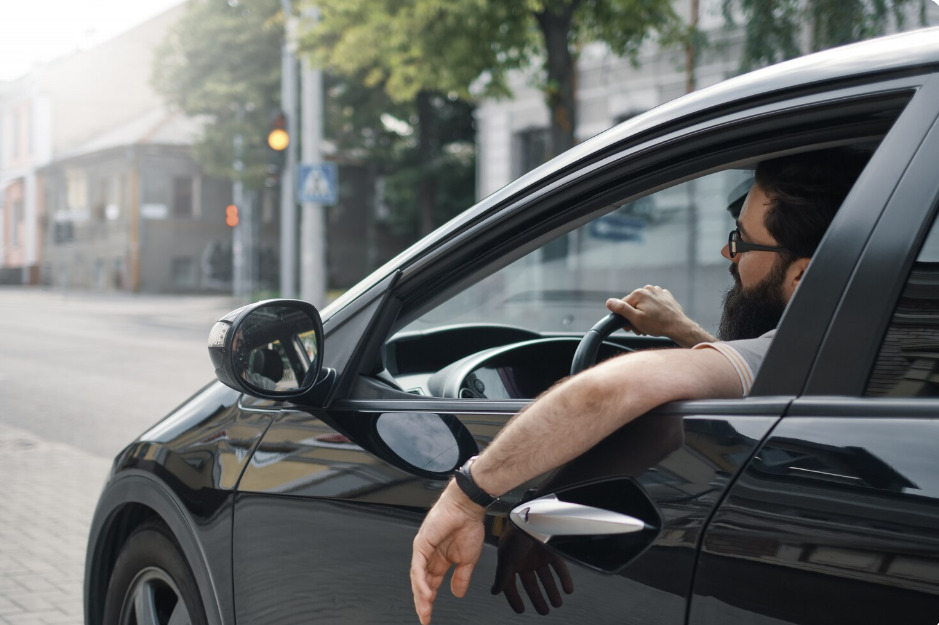
How to reduce stress while driving in difficult situations
In moments when the situation escalates, it is important to implement conscious emotional control. If you were cut off or someone is actively honking from behind, do not try to respond in kind. Aggressive driving in response only increases the danger. To understand how to reduce stress while driving, try to apply the "positive assumption" technique: imagine that the other driver is simply in a hurry to the hospital or having a difficult day.
Such a change of focus helps to neutralize personal offense. Your reaction as a driver should be aimed at safety, not at proving you are right. If the journey is too long, it is worth considering registering an additional driver to have the opportunity to rest and hand over control to a reliable person.
Driver fatigue and its impact on stress levels
Chronic overfatigue is one of the most insidious enemies of a motorist. When the body is exhausted, even a minor mistake by another road user causes an outburst of anger. Driver fatigue slows down thinking and makes reactions sluggish, which makes a person feel insecure.
To minimize nervous exhaustion:
- Take breaks every two hours;
- Drink enough water;
- Do not ignore the first signs of drowsiness.
Safe driving is impossible without proper rest. Remember that inattentiveness caused by a lack of sleep often leads to mistakes that only provoke new stress behind the wheel.
Quick methods on how to calm down behind the wheel
If you feel that your heart is beating faster and your hands are tightly gripping the steering wheel in anger, you need to act immediately. The simplest method of how to calm down behind the wheel is breathing exercises. Take a deep breath for a count of four, hold your breath for two seconds, and exhale slowly. Repeat this five times.
Another way is physical relaxation. Consciously relax your shoulders and jaw, and slightly loosen your grip on the steering wheel. This will signal the brain that you are safe.
Frequently Asked Questions
How to avoid stress behind the wheel in the city?
Plan your route in advance, avoid peak hours if possible, and always maintain distance.
How to reduce stress while driving in traffic jams?
Use this time to listen to audiobooks or learn a language. Perceive a traffic jam as an opportunity to rest from active maneuvering rather than an obstacle.
How does stress behind the wheel affect driver reaction?
Excessive tension narrows the field of vision and forces the driver to make impulsive, often erroneous decisions.
How to quickly calm down behind the wheel?
Use deep diaphragmatic breathing and try to switch your attention to some neutral object (for example, the color of the cars ahead). If emotions are overwhelming — stop in a safe place for a few minutes.
Does driver fatigue affect safe driving?
Yes, body exhaustion blunts alertness and makes a person irritable. A tired driver more often enters into conflicts, which creates an additional emotional burden.