

 +38 044 502 20 11


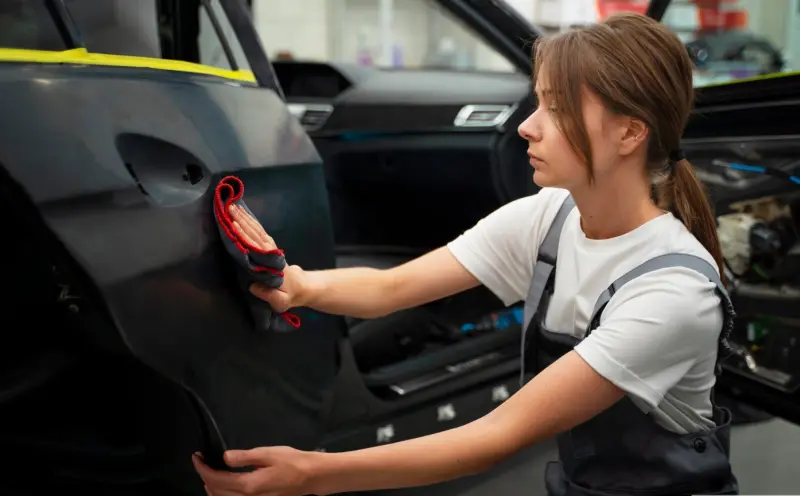
How to lubricate car rubber seals to prevent doors from freezing in winter is a question that becomes critical with the first frosts, as proper care guarantees the integrity of the seals and easy access to the interior. Whether you operate your own car or opt for a car rental in Kyiv, timely treatment of door seals will help avoid morning surprises. We have prepared an expert guide where we will explain in detail how to lubricate car door seals in winter so that they do not lose elasticity or get destroyed by ice.
Why Do Car Doors Freeze in Winter?
The main cause of the problem is condensation or moisture that gets onto the seal during a thaw or after a car wash. When the temperature drops below zero, the water turns into ice, literally "gluing" the body and the door together. If car doors freeze in winter, attempting to force them open often leads to tearing the soft material.
Furthermore, without proper care, rubber becomes stiff over time and develops micro-cracks. Regular care for car seals allows for the creation of a protective layer that displaces moisture. This is especially important if you plan a trip abroad in a rental car, where climate zone changes can occur very rapidly.
How to Lubricate Car Rubber Seals to Prevent Freezing — Review of the Best Products
Choosing the right formula is key to the longevity of rubber elements. There are many options on the market, but not all of them are equally safe for the paintwork and the rubber itself.
Main types of protective formulas:
- Silicone lubricant for car seals.
- Specialized car seal conditioner.
- Glycerin.
When deciding how to lubricate car door seals in winter, it is better to prefer silicone in the form of a stick or sponge—this allows for neat application without staining the interior upholstery. In our fleet, all vehicles undergo thorough preparation, so clients receive cars that are fully ready for any whims of the weather.
How to Properly Treat Seals Before the Frost
For door protection against ice to be truly long-lasting, it is important to follow the application technology.
- Cleaning. Thoroughly wash the car's rubber seals to remove sand, salt, and old lubricant.
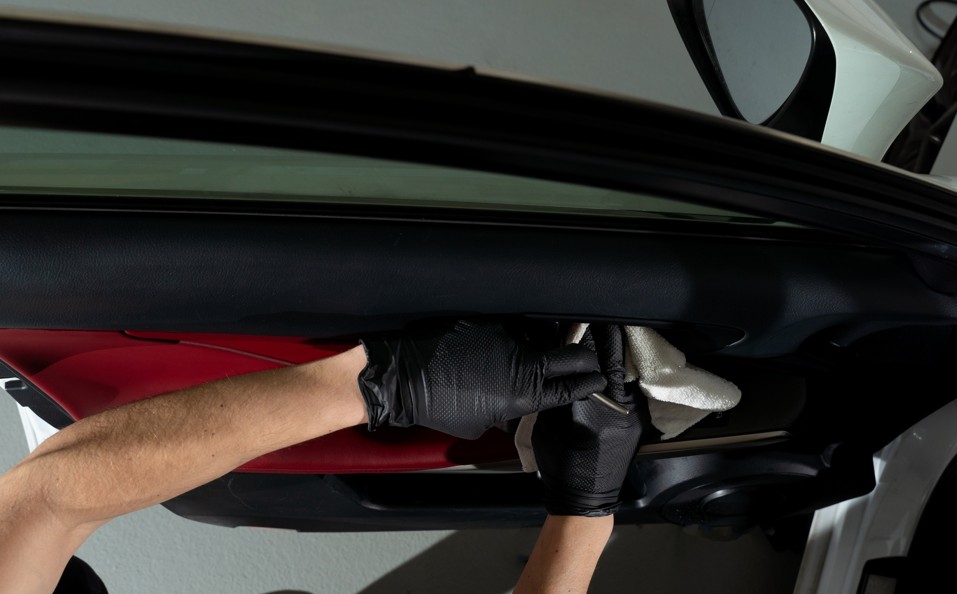
- Drying. Wipe the seals with a dry microfiber cloth and let them dry completely. Applying the product to a wet surface will prevent it from adhering properly.
- Application. Distribute the product evenly along the entire contour, not forgetting the inner corners and curves.
- Removing Excess. Wipe the surface with a clean cloth after 5–10 minutes to remove excess product that could stain passengers' clothing.
Which Products Should Not Be Used on Car Seals?
Many drivers try to save money by using household substances, but this can lead to material degradation. The question of how to lubricate car seals so doors don't freeze in winter has only one correct answer: specialized automotive chemicals.
It is strictly forbidden to use:
- Machine oils and WD-40.
- Vegetable oil or animal fats.
- Alcohol-based liquids.
A high-quality car seal product is always neutral toward paint and plastic.
FAQ
Can I treat car seals with regular Vaseline?
Vaseline can help as a temporary measure, but it thickens in the cold and can turn into a viscous mass that stains the interior and clothing. Silicone lubricant is much more practical.
Does treating seals help with door creaking in winter?
Yes, creaking often occurs due to dry rubber rubbing against metal. A silicone car rubber conditioner eliminates this problem, restoring comfort during travel.
How should I lubricate the seals on the trunk and hood?
The procedure is no different from treating the doors. The trunk is even more prone to freezing due to snow accumulation in the body recesses, so it requires extra attention.
Does frost affect the lifespan of car seals?
Yes, without protection, rubber ages faster. Ice forming in the pores literally tears the material from the inside, making regular lubrication a necessity.
Why shouldn't I apply the product to dirty or wet seals?
Dirt acts as an abrasive, and moisture under a layer of lubricant will freeze anyway, making the procedure useless.