

 +38 044 502 20 11


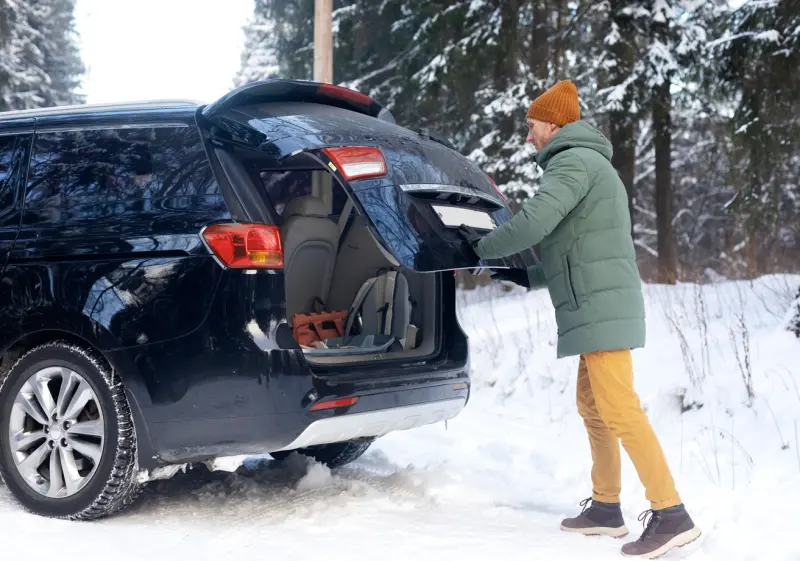
These 10 winter car hacks will help you prepare for the frost, save time during morning departures, and significantly extend the life of your car's key components. When the real cold arrives, it is important to understand that not all advice found online is equally useful. Whether you are opting for a car rental in Kyiv or driving your own vehicle, proper preparation minimizes risks. In this article, we have gathered only proven methods to make your travel safe.
10 Winter Car Hacks
Winter is a time when every little detail matters. Here is a list to make your life easier:
- Wiper Blade Protection. To prevent wipers from freezing, leave them up at night or put old socks over them — this protects the rubber from ice.
- Window Defogging. Wipe the inside of the windows with shaving foam or place a sock filled with silica gel under the seat.
- Toothpaste for Headlights. Polishing headlights with toothpaste helps improve light output, which is critical during snowfalls or fog.
- Cat Litter for Traction. If you get stuck in the snow, pour some kitty litter under the tires — it works as well as sand.
- Silicone on Seals. Lubricate rubber door seals with silicone so they don't freeze to the body after a car wash.
- Bags on Mirrors. Put plastic bags over side mirrors at night to save time on cleaning them in the morning.
- Vinegar Against Ice. A mixture of vinegar and water (3:1) will help melt ice on the glass faster if you don't have a professional de-icer at hand.
- WD-40 in Locks. A few drops in the door lock will prevent the mechanism from freezing due to condensation.
- Strategic Parking. Park your car facing east — the first rays of the sun will help melt the frost naturally.
- Floor Mats for Grip. You can place textile floor mats under the drive wheels if you are spinning on ice.
Why Some Tips Don’t Work and Can Be Harmful
Trying to implement 10 winter car hacks, drivers often make costly mistakes. For example, never pour boiling water on a frozen windshield — the sudden temperature change will cause it to crack instantly. Also, do not use a metal ice scraper on dry glass, as it leaves micro-scratches that impair visibility over time.
Be especially careful when starting the car in the cold. Repeated attempts to crank the starter without pauses will completely drain the battery in winter. It is better to "wake up" the battery before starting by turning on the high beams for a few seconds.
Useful and Proven Hacks for Safe Driving
The most important hack is technical soundness. Check the antifreeze and coolant levels, as their freezing in the system will lead to an engine overhaul. Our company monitors this closely, preparing every vehicle in our fleet for the season. For efficient cabin heating, turn on air recirculation first — this way the system warms up the air already inside the cabin faster rather than drawing in icy air from the outside.
How to Distinguish Effective Advice from Useless Tips
Effective 10 winter car hacks are always based on physics and chemistry. For example, using alcohol in the washer fluid is logical, but trying to cover the radiator with cardboard on modern cars can lead to engine overheating because the electronics regulate the airflow themselves.
If you are planning a trip abroad in a rental car, be sure to check for a shovel and snow chains in the trunk. This is much better than relying on dubious internet advice.
FAQ
How can a car be damaged if internet "tips" are applied incorrectly?
The paintwork (LPP) most often suffers from aggressive fluids, and glass is damaged by mechanical scraping with cheap tools.
How to verify if a hack is actually effective?
Look for confirmation in the owner's manual or on expert automotive forums.
Is it necessary to warm up the engine before driving in the cold?
Long idling is not necessary. 2–3 minutes is enough for the oil to circulate through the system, after which you can start driving at low RPMs.
How to reduce fuel consumption in winter without harming the car?
Monitor tire pressure and turn off seat and window heaters as soon as they are no longer needed.
What driver mistakes most often lead to problems on slippery roads?
Sudden braking and over-reliance on safety systems (ABS/ESP) are frequent causes of skidding.